|
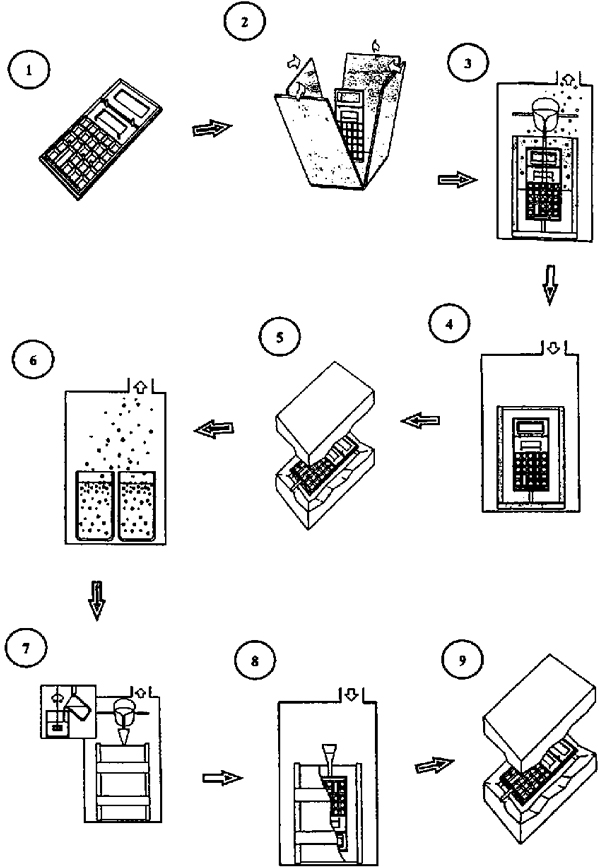
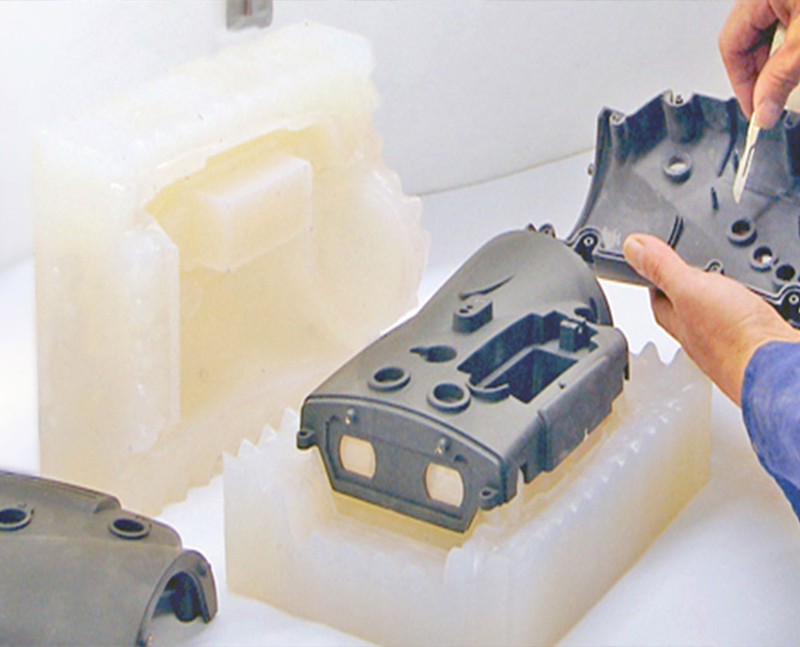
Vacuum Casting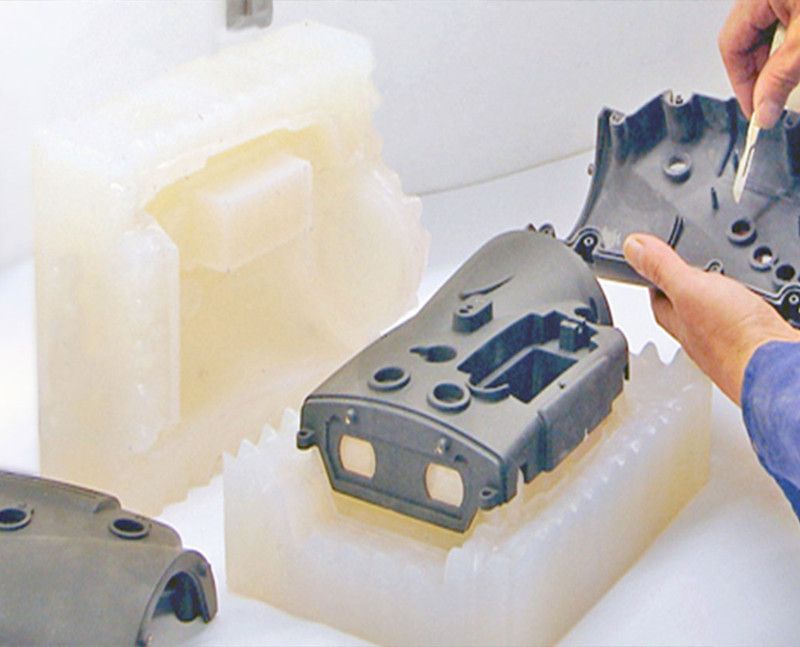 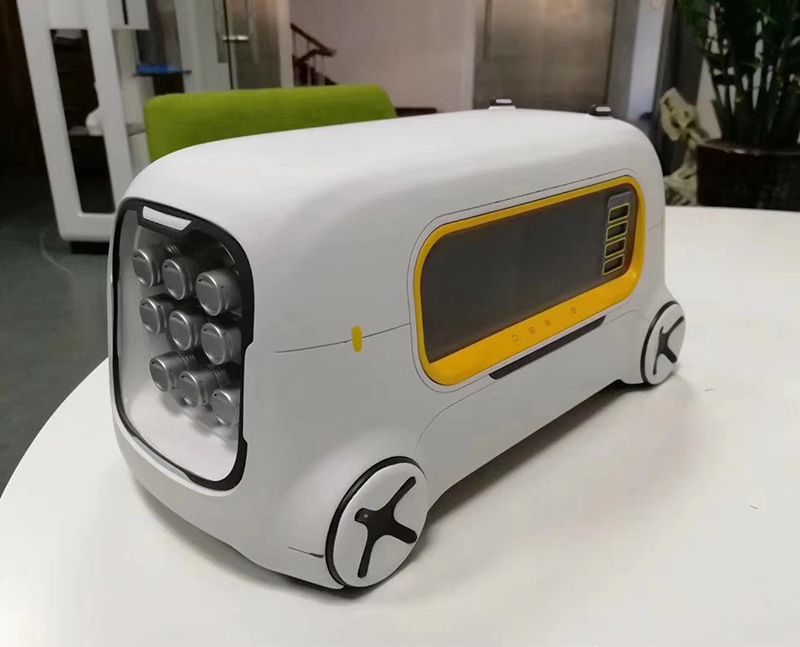 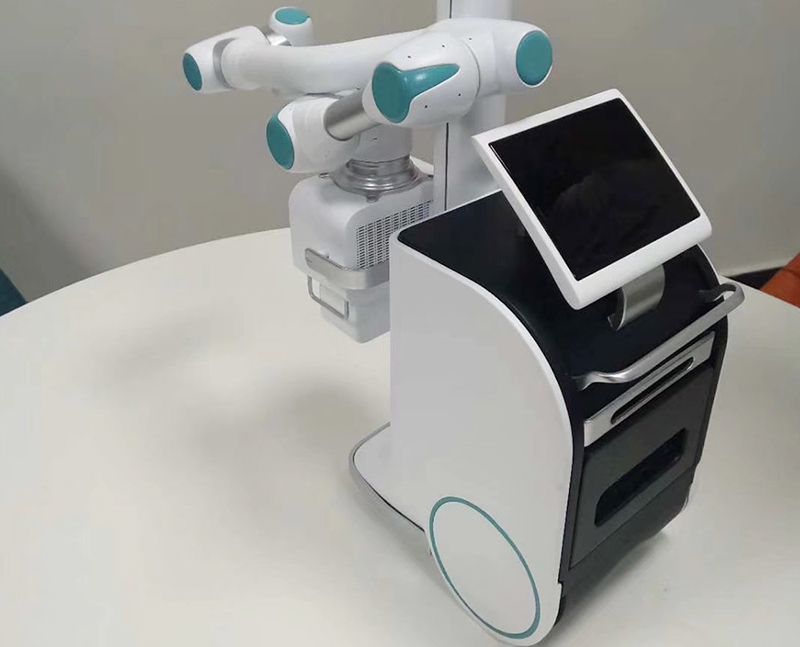  When the quantity is around 20 pieces or more, using vacuum casting for plastic rapid prototyping is a very good choice. Vacuum casting is the process of creating silicone molds using original samples in a vacuum state, injecting PU material into the mold in a vacuum state, and then cloning a replica.
Vacuum Casting Processing Technology What is vacuum casting? Vacuum casting or silicone molding is a popular solution for rapid prototyping. Making silicone molds involves three steps. 1. Prototype or master mold: The master mold needs to be made before silicone molding. The normal material for the prototype can be ABS. It can be manufactured through CNC or 3D printing SLA. 2. After the prototype is completed, we will start making silicone molds. Cut off the silicone mold, dry for 8 hours, and then take out the prototype. At this point, the preparation work for the silicone mold is done. 3. Injection. Inject liquid material into the silicone mold and leave the mold after the material dries. The capacity of silicone molds is 15-25 pieces. Available materials: ABS, PC, PP, PMMA, PVC, rubber, and other heat-resistant materials.
Advantages and limitations: What are the advantages of vacuum casting? 1. Low cost. Compared to CNC machining and 3D printing, the production cost of vacuum casting is much lower. 2. Short production time. Vacuum casting molding does not require too much time, greatly improving production efficiency. 3. No need to make metal molds. There is no need to spend too much time making metal molds like plastic injection molding, which can save customers a lot of time and help them quickly seize the market. 4. High reducibility and low scrap rate. 5. Suitable for small-scale production. And the customization time is short. 6. Exquisite workmanship without burrs.
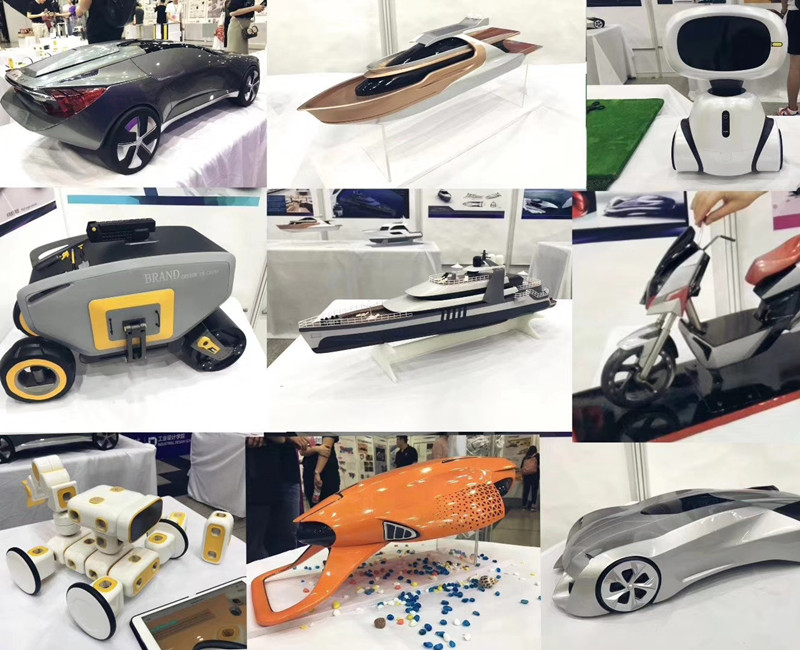
Vacuum casting What are the limitations of vacuum casting? The mold is not good at alkali resistance, acid resistance and aging resistance. So the capacity of silicone molds is not high. In addition, traces, stripes, and unevenness may appear on the surface of silicone molds. The tolerance of the parts cannot be so precise. What are the key points of vacuum casting? 1. The amount of curing agent should be added according to the temperature, and should also be reduced when the temperature is high. If too much curing agent is used, the silicone mold will become hard and brittle. Insufficient curing agent will increase the operating time. 2. It is not recommended to use silicone oil as it will protect the silicone mold from changes in physical properties. 3. If the silicone mold needs to reach its optimal usage state, it is necessary to rest for at least 24 hours before use. Hard molds can also be made of resin. Application field Vacuum casting is widely used in various industries for rapid prototyping and small-scale production. Such as aerospace, navigation, automobiles, motorcycles, digital communication, medical equipment, home appliances, and robots.
Vacuum casting rapid prototyping |