|
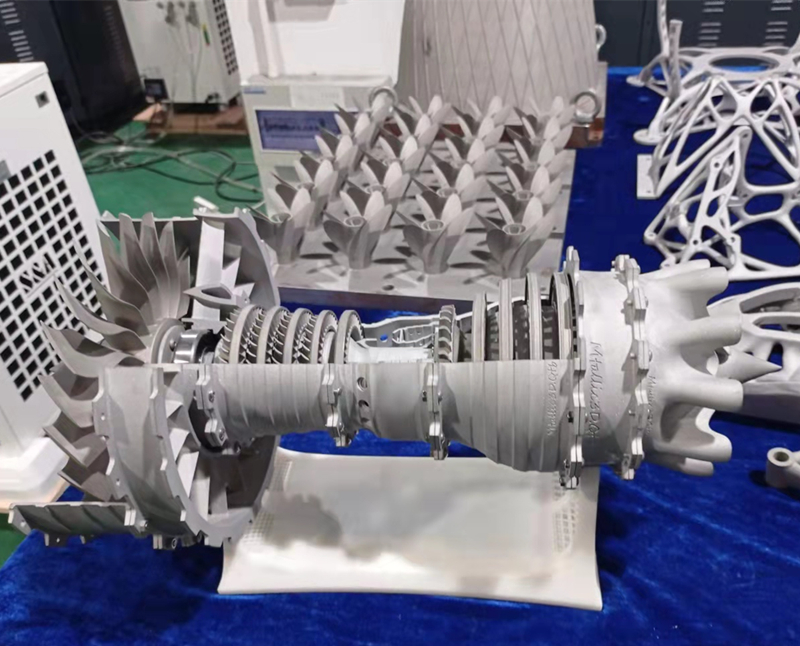
Selective Laser Melting (SLM) 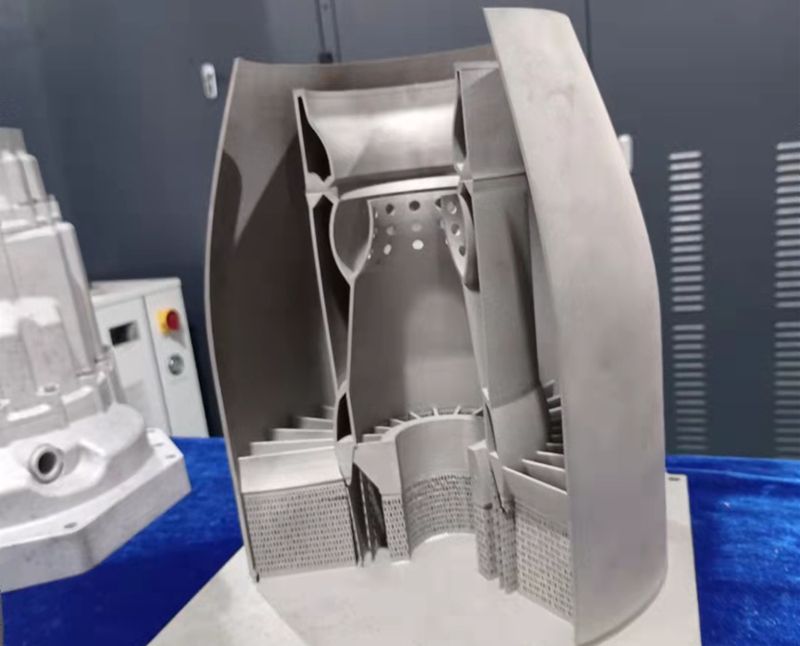 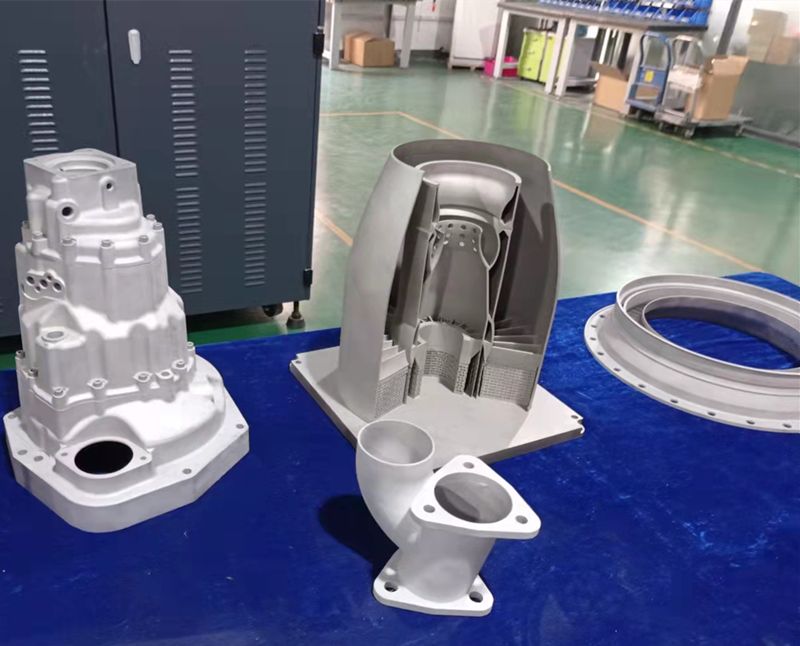 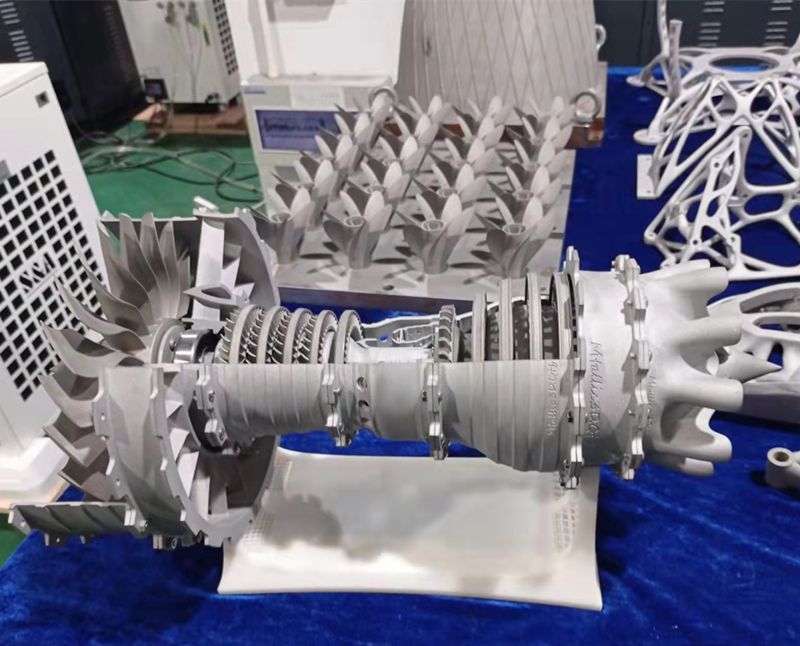 Selective Laser Melting (SLM)SLM technology is a part of 3D printing and widely used in metal rapid prototyping. What should customers know before choosing SLM for manufacturing?
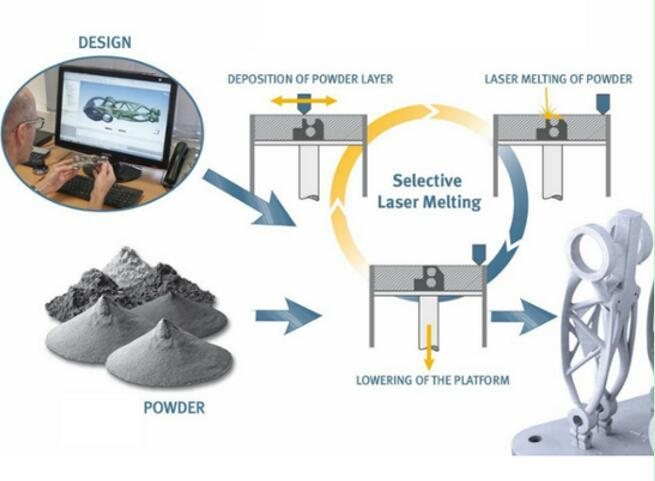
Selective Laser Melting (SLM) What is selective laser melting (SLM) in 3D printing? SLM is a special 3D printing technology that uses high-power density lasers to completely melt and fuse metal powders, resulting in near net shaped parts with near full density (relative density up to 99.9%). Processing Technology SLM technology, short for Selective Laser Melting, is a rapid prototyping technology for metal powders. SLM can directly shape metal parts that are close to full density without the need for adhesives. Therefore, this technology is also known as direct metal laser sintering, abbreviated as DMLS. The precision and mechanical performance of prototypes made by SLM are superior to SLS, making them increasingly popular in 3D printing. How does the SLM process operate? SLM technology requires complete melting of metal powder to directly form metal parts, thus requiring high-power lasers. Before the high-power laser beam starts scanning, the horizontal powder roller needs to spread the metal powder on the substrate in the processing chamber. Then the laser beam selectively melts the powder on the substrate based on the contour information of the current layer, obtaining the contour of the part processed in the current layer. Afterwards, the lifting system will decrease the distance by one layer thickness. The powder spreading roller spreads the metal powder again on the processing layer, and the equipment enters the next layer process. Process each layer like this until the entire section is completed. In order to prevent the metal from reacting with other gases at high temperatures, the entire processing process needs to be carried out in a vacuum or gas protected processing chamber.
What are the advantages of SLM? The laser beam of SLM technology can quickly melt metal powder and obtain a continuous melting path. It can instantly obtain metal parts with almost dense, high-precision, completely metallurgical structure, and almost arbitrary shape. The metal density of SLM standard is over 99%, with excellent mechanical properties that can be comparable to traditional processes. In addition, SLM processed parts can be welded if necessary. The types of available materials will also continue to increase. Below are more advantages of SLM. 1. Direct metal laser sintering. Metal parts can be directly manufactured through SLM without the need for intermediate processes. Complex shaped functional components can also be directly manufactured. 2. High quality laser beam. SLM laser beam has good quality and contains micro focused spots, which can directly produce functional components with high precision and good surface roughness. 3. Completely melt. All metal powders will be completely melted. Directly manufactured metal functional components have metallurgical structure, high density, and good mechanical properties, without the need for post-treatment. 4. Multiple available materials. Powder raw materials can be single or multi-component and do not require special preparation. 5. Low batch friendly. Suitable for processing functional parts, especially for single piece or small batch production.
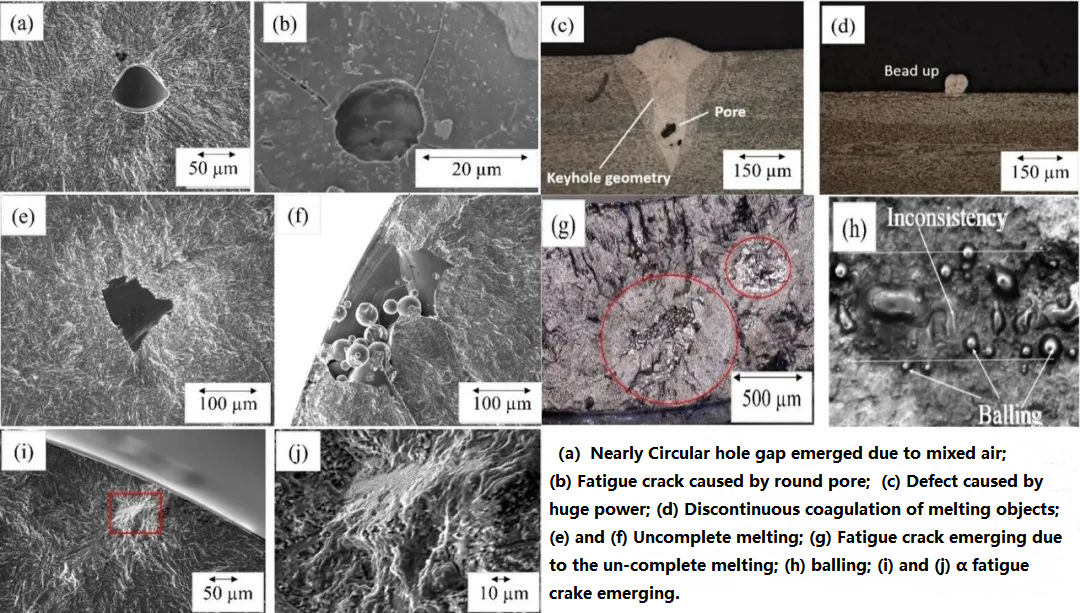
What are the limitations of SLM technology? At present, SLM technology has many limitations. The limitations of SLM can be divided into powder diffusion defects and printing processing defects. For example, there are some irregular powder layers in loose powder defects. Regarding the defects in printing processing, there are splashing, pilling, porosity, poor surface quality, cracks, geometric deformation, etc. 1. Playing ball Spheroidization or spheroidization is a unique metallurgical defect in the manufacturing process of metal based powder beds. When liquid metal solidifies into a spherical shape under the action of surface tension, spheroidization occurs. Both high and low energy densities of laser beams can cause this phenomenon. If the energy is too low, the metal powder will not completely melt and cause spheroidization. If the energy is too high, liquid metal will splash onto the unmelted metal powder, forming spheroidization. Spheroidization can affect the quality of the next layer's powder coating, the surface quality of the component, and also lead to defects such as poor fusion and slag inclusion. In addition, spheroidization will reduce the tensile strength and fatigue resistance of the components. An effective method to reduce and avoid spheroidization is to optimize the printing process and find the optimal parameter combination.
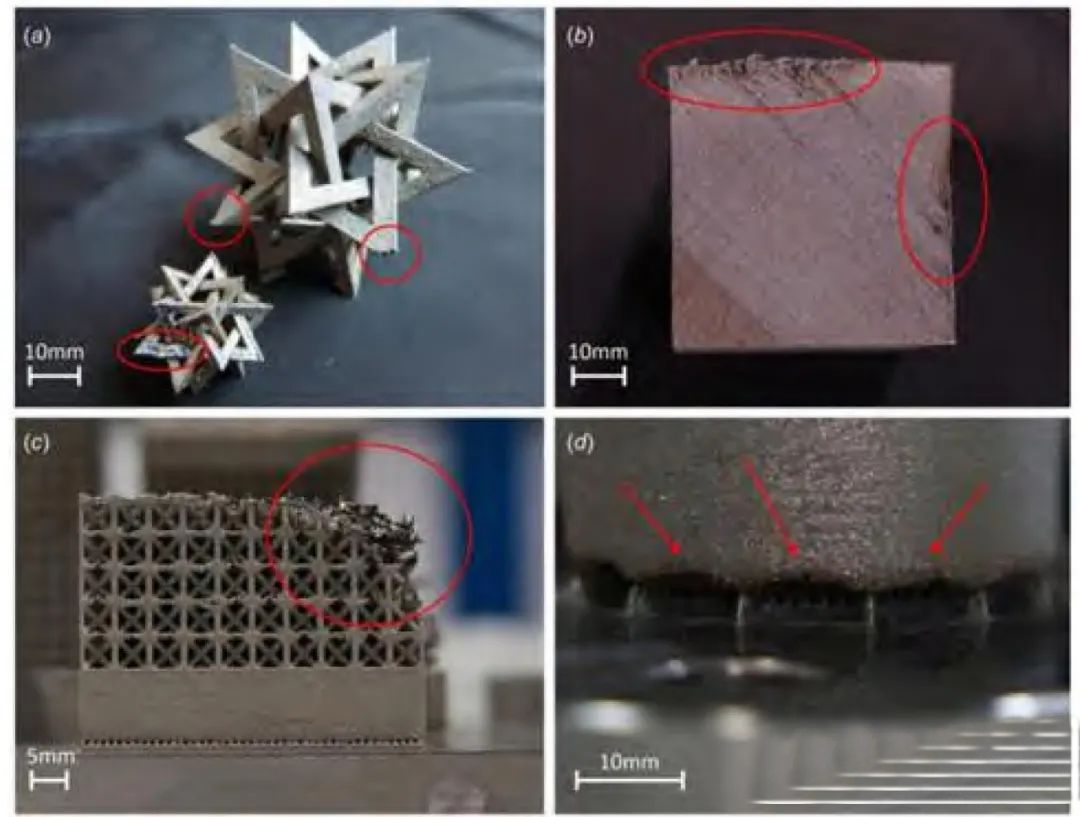
2. Pores Pores are the most common type of defect in SLM components and one of the defects that have the greatest impact on the mechanical properties of SLM components. It is also one of the focuses of attention in the industry and academia. During the SLM process, rapid melting and solidification of materials, as well as violent fluctuations in the melt pool, can lead to the formation of pores. The size, quantity, shape, and position of pores have a significant impact on the mechanical properties of components. A higher porosity will shorten the fatigue life of the formed parts. The influence of pores near the surface on the fatigue performance of molded parts is greater than that of other locations. According to the formation mechanism of pores, they can be divided into pores related to raw materials and pores caused by laser action. The process of producing pores is very complex and closely related to process parameters. Reasonable printing technology and continuous process optimization for material usage frequency are still important conditions for avoiding the occurrence of pores. 3. Geometric deformation During the SLM process, various degrees of geometric defects may form due to the geometric characteristics of the components, heat accumulation, stress concentration, and other factors. A lighter degree may lead to deformation, resulting in dimensional errors, and in severe cases, incomplete structures or even processing failures.
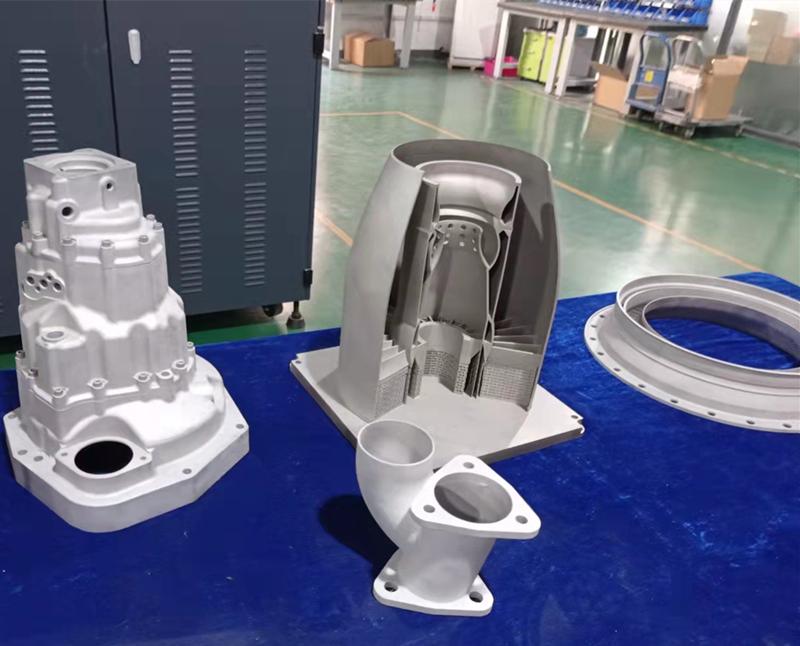
The geometric accuracy of SLM components can affect their assembly and performance. Research has found that different scanning methods have a significant impact on the temperature field, which in turn affects the residual stress distribution and geometric deformation of components; Laser spot, power, and scanning speed can affect dimensional accuracy and surface quality, and improving the geometric accuracy of components will greatly promote the industrial application of SLM technology. Conclusion The main defects of SLM process are ball formation, warping deformation, and porosity. Moreover, the mechanical performance of SLM parts is not as good as that of metal parts machined by CNC. Meanwhile, the processing speed is slow and the price is expensive. Accuracy and surface quality are also limited. Application field At present, SLM technology is mainly applied in the industrial field, with significant technological advantages in complex molds, personalized medical parts, aerospace, automotive and other fields. 1. Aerospace The processing time of traditional aerospace components is very long, and up to 95% (volume fraction) of expensive materials need to be removed during the milling process. Using SLM method to shape aviation metal parts can greatly save costs and improve production efficiency. Ti-6Al-4V (Ti64) has the characteristics of low density, high strength, good processability, excellent mechanical properties, and good corrosion resistance. It is one of the most widely used materials in aerospace components.
2. Biomedical field The application of SLM technology in the medical industry is becoming increasingly widespread. Gradually, SLM has been used to manufacture orthopedic implants, customized restorations and restorations, personalized orthodontic brackets, and dental restorations. For example, 316L stainless steel spinal surgery guide plates can be formed using SLM technology. SLM molding can produce personalized knee joint prostheses. The traditional manufacturing process of cardiovascular stents is based on microtubule production and laser micro cutting. Now, SLM technology can be used to form cobalt chromium alloy cardiovascular stents. The Ti-6Al-4V artificial acetabular shell is formed using SLM technology, and the forming effect of the prosthetic acetabular shell is improved by analyzing and optimizing the process parameters in the SLM process. 3. Mold industry The application of SLM technology in the mold industry mainly includes forming stamping molds, forging molds, casting molds, extrusion molds, wire drawing molds, and powder metallurgy molds. For example, Armillotta et al. have used SLM technology to form die-casting molds with conformal cooling channels. The experimental results show that the existence of conformal cooling reduces the number of spray cooling and improves the cooling speed. At the same time, the cooling effect is more uniform, improving the surface quality of the casting, shortening the cycle time, and avoiding shrinkage phenomenon.
|