|
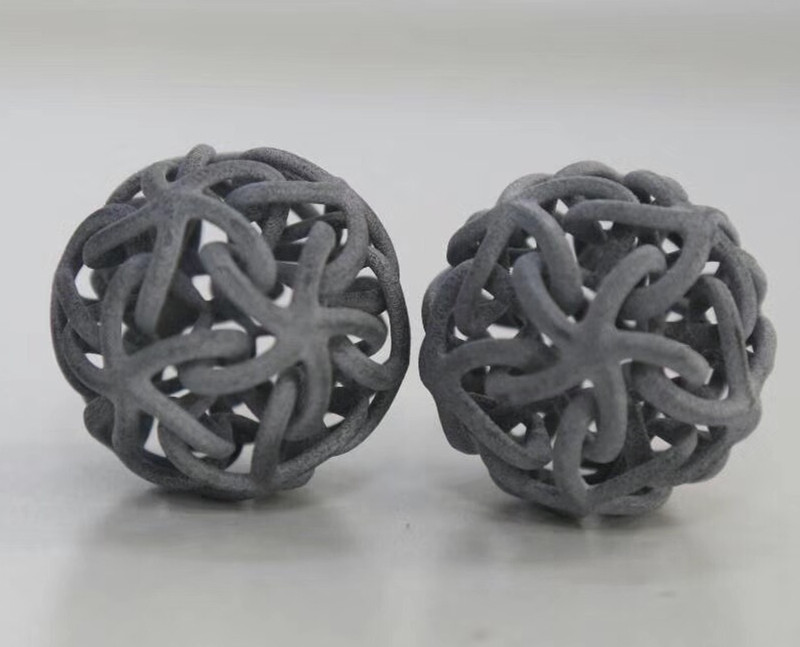
Selective Laser Sintering (SLS) 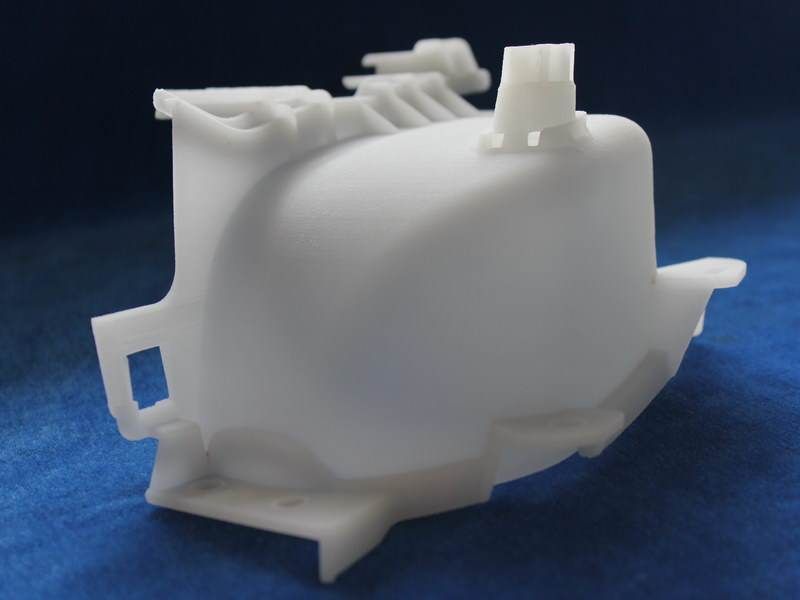  Selective laser sintering (SLS) is a 3D printing method widely used for rapid prototyping. SLS 3D printing is renowned for its functional nylon components.
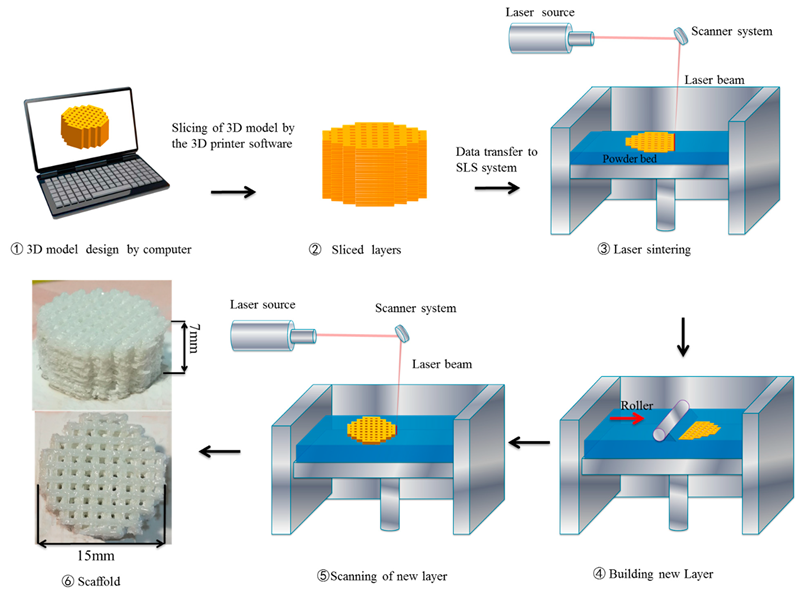
Selective Laser Sintering (SLS) What is SLS 3D printing? SLS stands for Selective Laser Sintering. This is a popular 3D printing solution for rapid prototyping. In the selective laser sintering process, the pressure roller will spread the powder evenly on the surface of the formed workpiece. The numerical control system scans the powder according to the cross-sectional shape by controlling the laser beam, heats the powder to its melting point, and then sinter and adhere the powder to the molded part below it. After a section is sintered, the platform will descend one layer. At this point, the pressure roller will once again spread the powder on the surface of the formed workpiece, starting a new sintering of the new section. This process will be repeated over and over again until the entire workpiece is completed. After the workpiece has completely cooled down, the platform will rise to its original height. At this point, we can use a brush to remove the workpiece or use compressed air to remove surface powder.
Selective laser sintering What is the process flow of SLS 3D printing? 1. The powder is stored on the left side of the silo. The platform will rise during printing. The powder above the printing surface will be spread flat on the printing surface of the printing room by the powder roller, forming a thin and smooth powder layer. 2. Then the scanning system will selectively scan based on the CAD route of the cross-section. The scanned powder will sinter and bond together due to the high temperature of the laser spot, resulting in a solid layer with a certain thickness. The area without scanning will maintain its original powder shape. After the first layer of sintering is completed, the platform will descend according to the height of the cross-section. The drum will spread the powder again, and the sintering of the new laser will begin. At this point, the current layer and the previous layer will be sintered and bonded together. These steps will be repeated over and over again until all layers are sintered. The printed prototype can be taken out after removing or recovering the unsintered powder.
Selective Laser Sintering (SLS) Process What are the advantages of SLS printing? 1. Abundant available materials. The available materials for SLS include polymers, metals, ceramics, gypsum, nylon, and many other powders. Due to market segmentation, 3D printing of metal materials will be referred to as SLM. We usually consider SLS's printing material to be nylon, as approximately 90% of the materials used in SLS on the market are nylon. 2. Good accuracy. The normal accuracy of SLS is plus or minus 0.2mm. 3. No supporting structure is required. The biggest advantage of SLS is that the suspended layer formed during the stacking process can be supported by unsintered powder. 4. High recovery rate. SLS printing does not require a base or support. The material recovery rate of SLS is the highest among conventional technologies such as 3D printing, and the price is relatively cheap, but slightly more expensive than SLA.
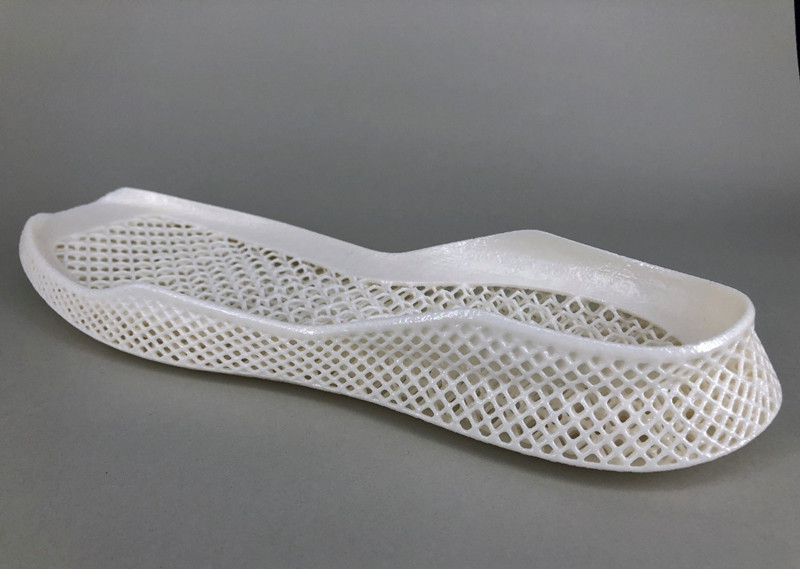
SLS Shoes What are the limitations of SLS 3D printing technology? 1. Shrinkage rate of printing prototype. The parameters of nylon or other powders will shrink after sintering. Usually, the shrinkage rate is determined by many factors. Such as the type of powder used, the laser power used for sintering the powder, the shape of the parts, and the cooling process. But the parts will not shrink symmetrically in all directions, please remember this. Generally, software is used to slice the SLS model and incorporate the shrinkage rate into the calculation to produce high-quality parts. However, engineers should be aware of the shortcomings of their printers and prevent them from occurring in specific locations. 2. After printing. The discovery of SLS prints is similar to the work of archaeologists. The printed powder needs sufficient time to cool before the product can be removed. In order to extract parts from powder materials, operators need to use a vacuum cleaner to remove unwanted powder or use air to sweep away remaining particles. After completing all the work, the sintered printed material can be thermally cured to enhance its strength. Other post-processing may take some time, but it is optional. Such as sandblasting, coloring, or painting. 3. Change color or absorb moisture. SLS products have a porous structure and have advantages when printing products that require coloring, painting, or coating, as they can display issues with the finished product. But SLS products may discolor or lose weight because these holes may absorb a lot of powder, oil, or water from the air. For example, the color may change from white to ivory. 4. Waste of processing and materials. The material waste of SLS is quite considerable. The printed circuit board of SLS needs to be fully installed. Regardless of the size of the part to be printed, the height of the printing plate installed on the part is the same. Meanwhile, the X-axis and Y-axis need to be embedded in the powder. Even if the material does not come into contact with the laser, the remaining material after printing will still be damaged. That's why SLS laser printers need to process as many products as possible. The processing cost of SLS printers is also enormous. A cheap desktop printer costs about $7000, but it is only suitable for printers. If someone needs to handle the entire printing process, such as cleaning, post-processing, and the entire curing process, it will require a significant amount of funding. The materials are also very expensive. The price of one kilogram of PA12 provided by the supplier is about 100-120 US dollars, but the equipment may require several kilograms of materials for one-time use. 5. Use new powder every time. Due to temperature changes, the material will be damaged, as most sintering printing heats the powder before coming into contact with the laser. Some materials can be recycled and reused. Although printer suppliers recommend mixing damaged materials with unsintered materials, using a printer with damaged powder may result in adverse outcomes. Approximately 85% of the powder can be recycled and reused, leaving behind several kilograms of residue or unsintered material that cannot be reused. Conclusion The initial setup and maintenance costs of SLS are slightly higher in 3D printing technology, with complex equipment and the need for experienced operators. To avoid powder waste, it is recommended to print the product with the maximum amount of multitasking. SLS printing requires consideration of many environmental and safety factors due to the use of high-power lasers and powder materials. The workpiece of the SLS prototype does not require a supporting structure like the SLA prototype, as the unsintered powder can support the cavity or bracket of the prototype. Compared to SLA, SLS technology has more available materials. Such as paraffin, polycarbonate, nylon, slender nylon, synthetic nylon, ceramics, and even metals. SLS technology is an ideal 3D printing for prototypes that require mechanical performance, functionality, and large-scale industrial structures.
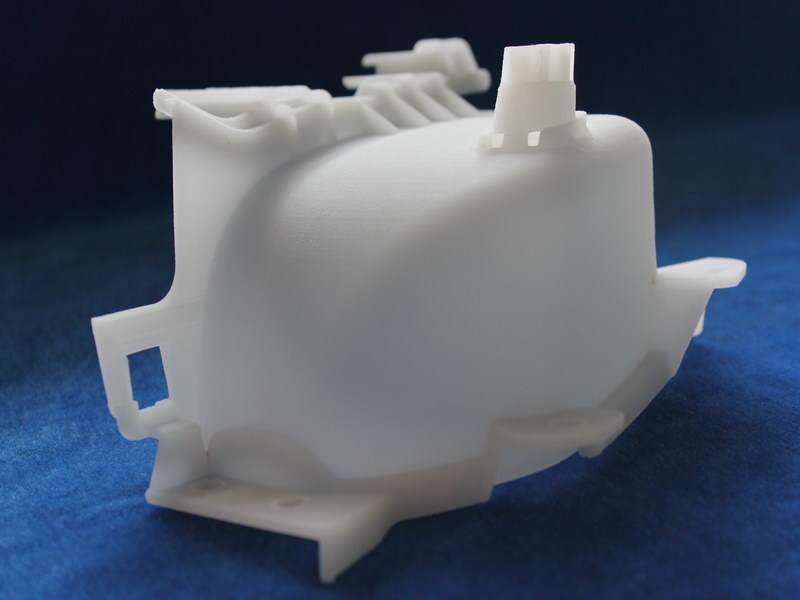
SLS Automotive Parts What are the applications of SLS 3D printing? At present, SLS technology is widely used in various industries such as automotive, aerospace, consumer electronics, healthcare, education, and plastic rapid prototyping. SLS is widely used in product design and development, such as size testing, appearance testing, assembly testing, and functional testing. SLS can also be used for small-scale production of end use products. Taking the automotive industry as an example, SLS can be used for assembly testing and R&D verification by printing steering wheel, car dashboard, and air conditioning system. Many other car parts can also be customized and used directly after printing, such as bumpers and rearview mirrors. Adopting SLS 3D printing can also shorten the development and testing cycle of new cars, as well as reduce the cost of CNC machining and molds.
|