|
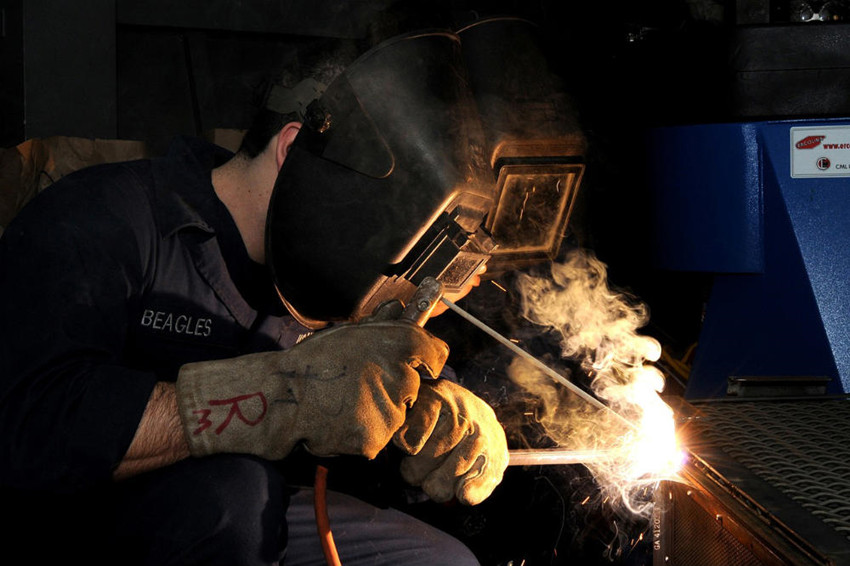
Precision Welding 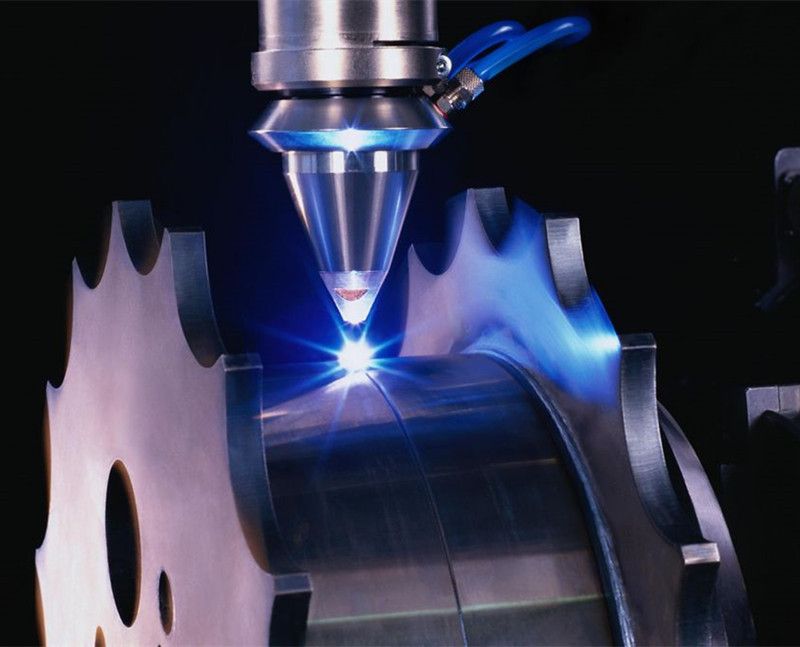 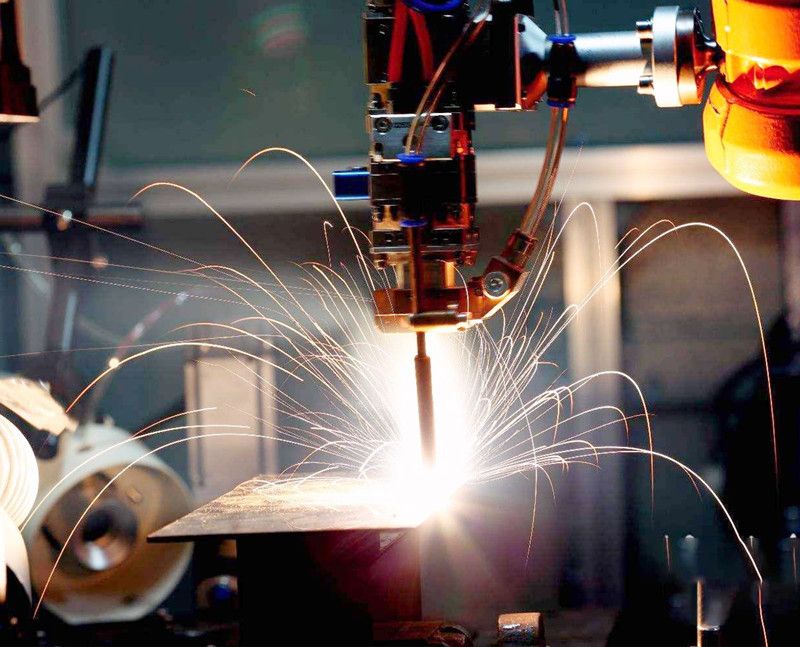   Welding is a manufacturing process that connects metal or plastic through heating or under high temperature and pressure. Welding is a popular post-processing in sheet metal manufacturing and CNC machining because it is very convenient and cost-effective. Precision welding is a welding process that enables precise manufacturing. Generally, high-density and high-power welding methods can meet the requirements of precision welding. The main welding methods for precision welding include laser welding, electron beam welding, diffusion welding, etc. Precision Welding What is welding? Welding is a manufacturing process that connects metal or plastic through heating or under high temperature and pressure. Essentially, welding utilizes appropriate physical or chemical processes to bring metal atoms from two separate surfaces closer to a lattice distance of 0.3-0.5mm. Welding is a popular process in sheet metal manufacturing because it is very convenient and cost-effective.
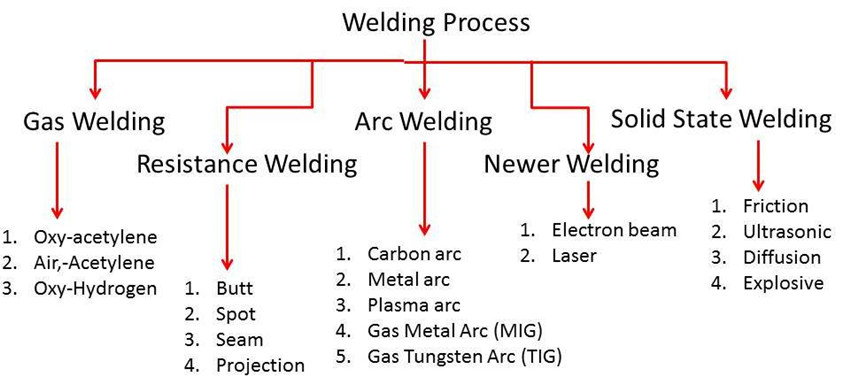
welding What is precision welding? Precision welding is a welding process that enables precise manufacturing. Generally, high-density and high-power welding methods can meet the requirements of precision welding. In addition to welding processes, precision welding also includes welding, bonding, splicing, or gluing. From the characteristics of precision parts, the welded object is in a state of precision machining or final surface treatment. Such as heat treatment, electroplating, plating, precision sandblasting, or vacuum coating. Therefore, the strength performance of the base material after precision welding should not be lower than the original design, and the surface condition should not be lower than the original design. Therefore, when using welding, the welding time should be controlled in milliseconds or seconds, including pulse laser welding or brazing, pulse resistance welding, energy storage collision welding, capacitor discharge welding, tungsten gas shielded welding or spot welding, etc. The main welding methods for precision welding include laser welding, electron beam welding, diffusion welding, etc.
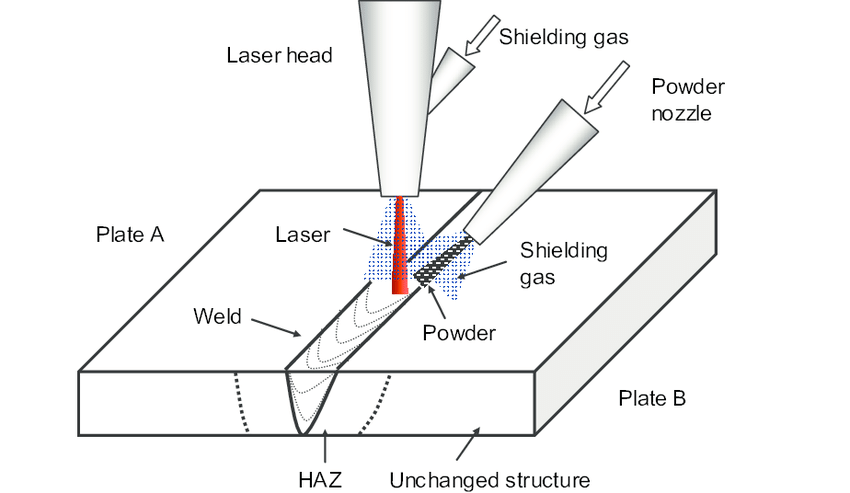
welding type What is laser welding? Laser welding is the process of focusing a high-density energy laser beam onto the surface of a workpiece, causing the metal around the radiation surface to melt and bond to form a welded joint. The essence of laser welding is welding based on the pinhole effect. The power and density of the laser need to be high enough to produce small holes, and the depth of the holes is the depth of the welding. The lock hole will remain stable and move between materials as the workpiece moves towards the laser beam. The small hole will be surrounded by a droplet shaped molten pool. The keyhole is filled with plasma generated by metal vapor, which will be sprayed into the surface space of the workpiece with a certain pressure. Then a plasma cloud will form within a certain range on the keyhole. Laser welding is very popular in the post-processing of CNC machining and sheet metal processing. Because it is portable and very easy to operate. The cost of laser welding can also be borne.
Laser beam welding What is electron beam welding? Electron beam welding is the process of using an electron beam with extremely high energy density, which is focused under vacuum conditions and accelerated to collide with small areas of the workpiece surface at extremely high speeds. Most of the energy will be converted into thermal energy in a very short period of time, causing partial melting and achieving welding.
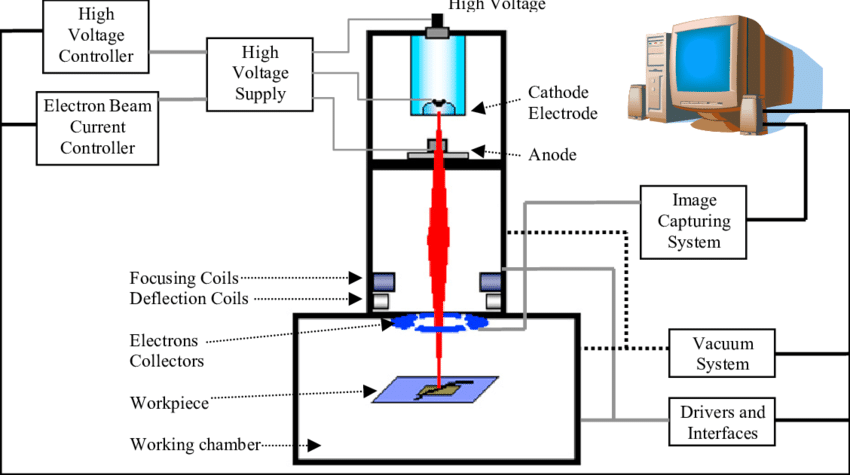
Electron beam welding The process device consists of four basic systems: electric gun system, vacuum system, control system, and power system. An electric gun is a system used to shoot high-speed electric beams and initially concentrate them. The vacuum system is used to ensure the vacuum degree of the vacuum chamber. Due to the fact that electronic devices can only move at high speeds under high vacuum conditions, this can also prevent the emission cathode from being oxidized at high temperatures. The control system is used to control the size and direction of the electron beam, as well as the movement of the platform. The processing of electric beams has high requirements for the power system. Electron beam welding melts the metal around the weld seam of the workpiece by controlling the energy density of the electron beam. Under the continuous impact of the electron beam, a capillary shaped steam tube surrounded by molten metal will be formed. If the weldment moves along the weld seam at a certain speed against the electron beam, the steam pipe above the weld seam will re solidify due to the departure of the electron beam, resulting in a single weld seam in the entire weld seam of the workpiece. Electron beam welding can weld almost all weldable metal materials. Whether it is refractory metals or chemically active metals, very thin workpieces or workpieces of hundreds of millimeters. Electron beam welding can also weld special metals that are difficult to weld using conventional welding methods. What is diffusion welding? Diffusion welding is a solid-state bonding method that can connect different materials with significant differences in physical and chemical properties. For example, ceramics and metals. Diffusion welding can also connect materials with significant differences in size and cross-sectional shape. Diffusion welding can also accurately connect the processed parts without affecting the original accuracy.
diffusion welding What are the benefits of welding? 1. Good connectivity properties. Welding is of great significance for the manufacturing of large or super large structures such as automobiles, bridges, ships, rockets, etc., as it allows for easy assembly and welding of plates, extruded profiles, or castings together as needed. At the same time, welding technology can also connect parts of different shapes, sizes, and even materials, thereby reducing weight, saving materials, and optimizing resources. 2. The welded structure has high rigidity and good overall integrity. The welded structure has high rigidity and good overall integrity. At the same time, it is also easy to ensure airtightness and water tightness. Therefore, welding is particularly suitable for manufacturing hollow structures with high strength and stiffness, such as pressure vessels, pipelines, boilers, or furnaces. 3. There are various welding methods with wide adaptability. There are various methods of welding that can be used in many fields. Welding can adapt to different requirements or production batches. In addition, welding parameter signals are easy to control and achieve welding automation. For example, spot welding robotic arms and arc welding robots are widely used in the manufacturing of the automotive industry. What are the limitations of welding? 1. The structure and performance of welded joints are usually altered by welding. Poor welding control can seriously affect the quality of structural components. 2. Improper operation of welds and heat affected zones may result in various defects, thereby reducing the structural support capacity. 3. The workpiece may deform due to residual stress generated by welding, seriously affecting product quality. 4. Impact on aluminum components. After welding, the welding points will remain on the aluminum parts. If the solder joint is large and conspicuous, it can be removed through CNC machining. Slight solder joints can be directly polished or polished. Aluminum parts need to be sandblasted before anodizing, otherwise the welding area will look very different after anodizing. What are the applications of precision welding? Almost all metals can be connected through precision welding. Precision welding is widely used in many industries. For example, Aerospace: mainly used for welding special materials and manufacturing precision parts, such as navigation equipment, radar, etc. Precision machinery: mainly used for processing or manufacturing equipment, such as CNC machine tools, robots, laser equipment, medical devices, printing equipment, etc. Information industry: mainly used for processing or manufacturing communication equipment, such as computers, digital products, instruments, sensors, etc. Automotive industry: mainly used for manufacturing automotive engine parts and car bodies.
|