|
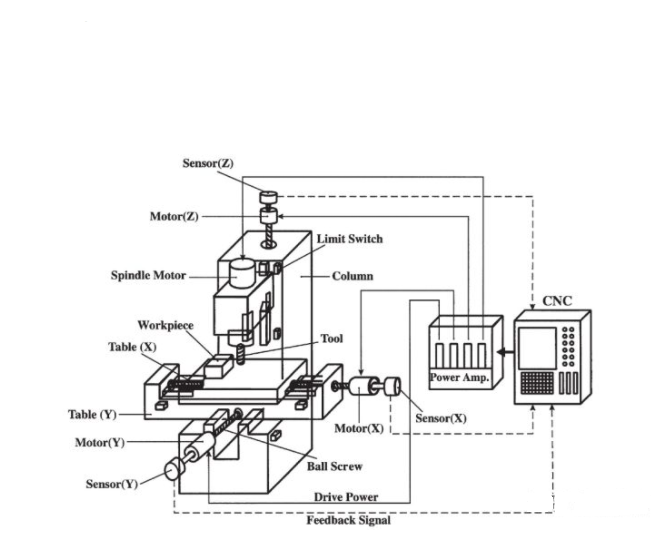
Why does three-axis machining still exist? 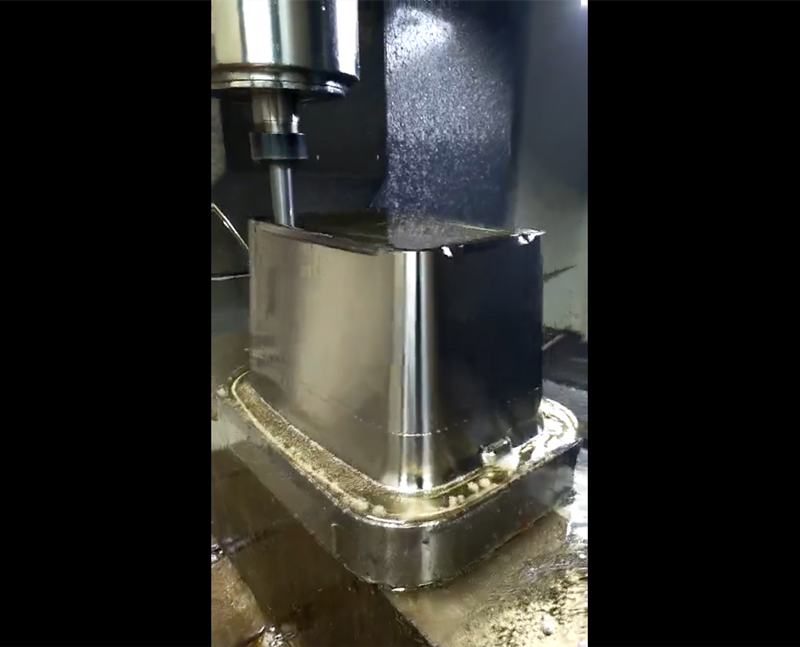  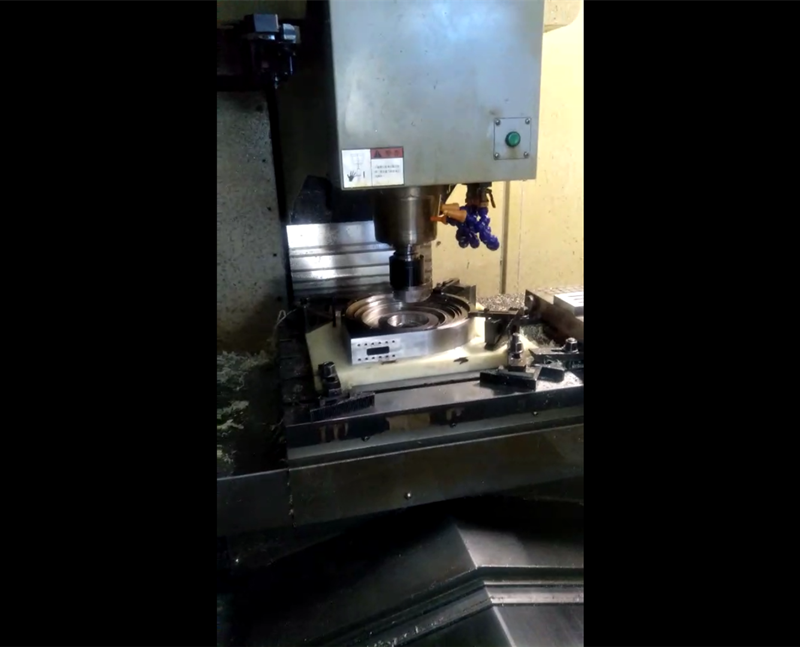 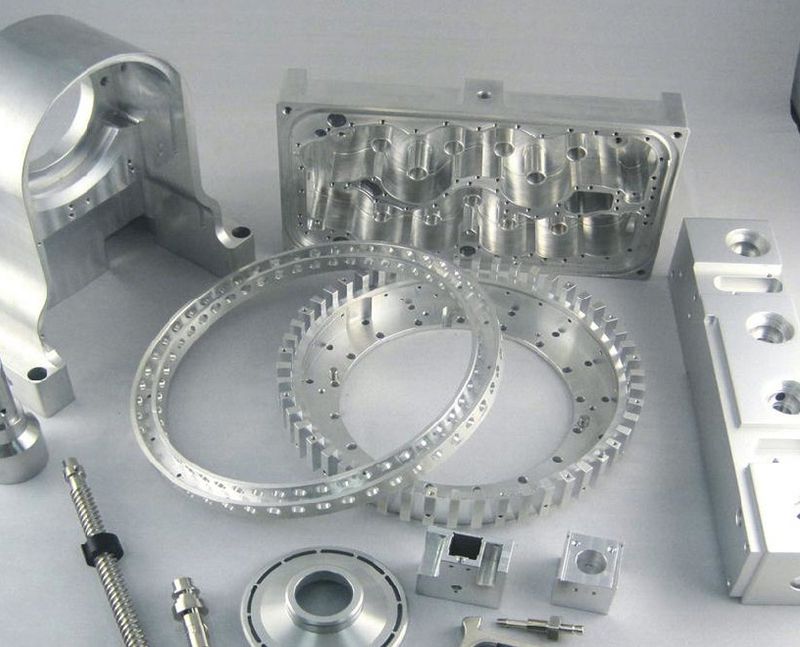 Why does three-axis machining still exist?Three axis vertical machining center is one of the most common machining centers and also the best-selling machining center in the market. Although the processing range of 3-axis machines is limited, their price is much cheaper than 4-axis and 5-axis machines. As long as the three-axis machine can complete the task, there is no need to invest more money in the four or five axis machine. 4-axis and 5-axis can certainly process more workpieces, but it is difficult to achieve good returns on investment. Many machining workshops have this idea. This kind of thinking seems negative or disappointing. But there are still some reasons. Three-axis Machining What is three-axis machining? A three-axis CNC machine tool has three linear motion axes in different directions. These axes are the X-axis in the left-right direction, the Y-axis in the front back direction, and the Z-axis in the up-down direction. The Z-axis is the main axis and can rotate at high speed. Three axis machining is made by processing feed lines X, Y, and Z. When the tool moves along the trajectory, the cutting direction remains unchanged. But the cutting conditions of the cutting edge cannot be perfect at the same time. A three-axis machining center is a three-axis machine tool equipped with a tool magazine. According to the motion coordinates and the coordinates controlled by the machine center, there are 3-axis 2-linkage and 3-axis 3-linkage. At present, three-axis machining centers are still the most popular machining centers on the market.
Three axis CNC machining center What are the advantages of three-axis machining? 1. Easy to program. During processing, the tool direction of the 3-axis machining center will change, and the movement mode is limited, making programming relatively easy. 2. High cost-effectiveness. Three axis machining centers are cheaper than four axis and five axis vertical machining centers. 3. Easy maintenance. Three axis machining centers do not have auxiliary structures like four axis and five axis machining centers. So it's easy to maintain. 4. Easy to improve A three-axis machining center can be equipped with a fourth and fifth axis. This increases the processing range, and multiple surfaces can be processed with one clamping. 5. Competitive prices Usually, 3-axis CNC machining suppliers can offer competitive prices on simple parts. Because their machines are both cheap and easy to program. Some experienced programmers and operators can even perfectly process complex parts by flexibly using fixtures, which can provide machining solutions for complex parts. What are the limitations of three-axis machining? 1. Long tools The length of the 3-axis tool is very long, and the cost of the tool is high. 2. Roughness issue Due to the vibration of long tools, roughness issues will increase. 3. Multi process Due to the increase in technology, more molds need to be combined. 4. Tool wear and tear Tool wear is common in three-axis machining processes. 5. Quantity of tools The number of cutting tools for 3-axis machining is higher than that for 4-axis or 5-axis machining. 6. Over cutting Sometimes, parts may be over cut during three-axis machining, which can result in N.G parts. 7. Repeat calibration Due to the need for multiple processes and clamping in three-axis machining, repeated calibration is required. Repeated calibration of tools may result in accumulated tolerances. 8. Difficulty in operation A three-axis vertical CNC machining center can perform multiple machining processes in one clamping, but can only machine the top surface. In short, only one machining surface can be machined at a time, and other machining surfaces such as the side and installation surfaces are not available. Usually, operators need to clamp multiple times to complete a part, which poses a challenge to the professionalism of workers. 9. Limited processing range Due to the inconvenience of clamping, three-axis vertical machining centers are mainly used for processing disks, sleeves, and plates. 10. Limited processing capacity Four axis or five axis machining centers can almost complete all the work of three axes, but three axes cannot. 11. Long processing cycle This is the fatal flaw of three-axis machining. In most cases, three-axis machining requires multiple clamping and many other auxiliary processes. Such as electric discharge, wire cutting, turning, and grinding. This way, the processing cycle will be much longer than 4-axis or 5-axis processing. The labor cost also increases accordingly.
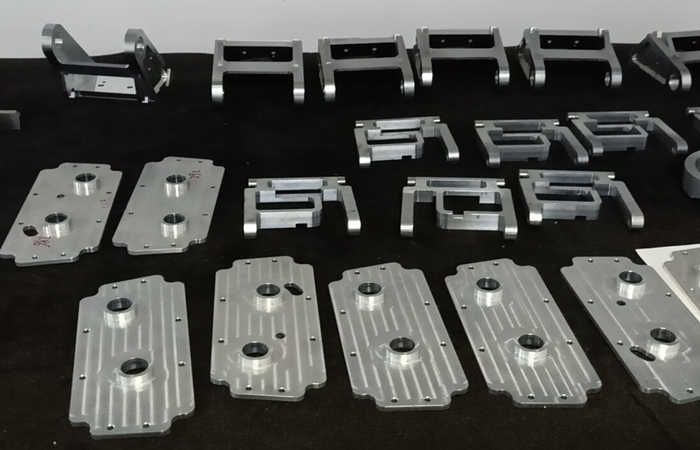
Three-axis machining Conclusion Three axis machining is top-notch in terms of programming, cost-effectiveness, and maintenance. However, three-axis machining is also limited by the machining range, cycle, quality, and accuracy. For the manufacturing of simple or small parts, three-axis machining is ideal. Three axis machining still exists because they can still meet the requirements of current machining work. It is cost-effective for both suppliers and customers. But the situation is gradually changing. With the increasing cost of labor, 3-axis machining will not be as cost-effective in the near future. Application field Three axis machining is widely used to provide machining services for automobiles, motorcycles, robots, machines, and many other mechanical parts. Available materials: metal and plastic.
|